Carry cash — and coins: why Japan's otaku scene still isn't cashless, and how to break a bill
Written by Mika T.
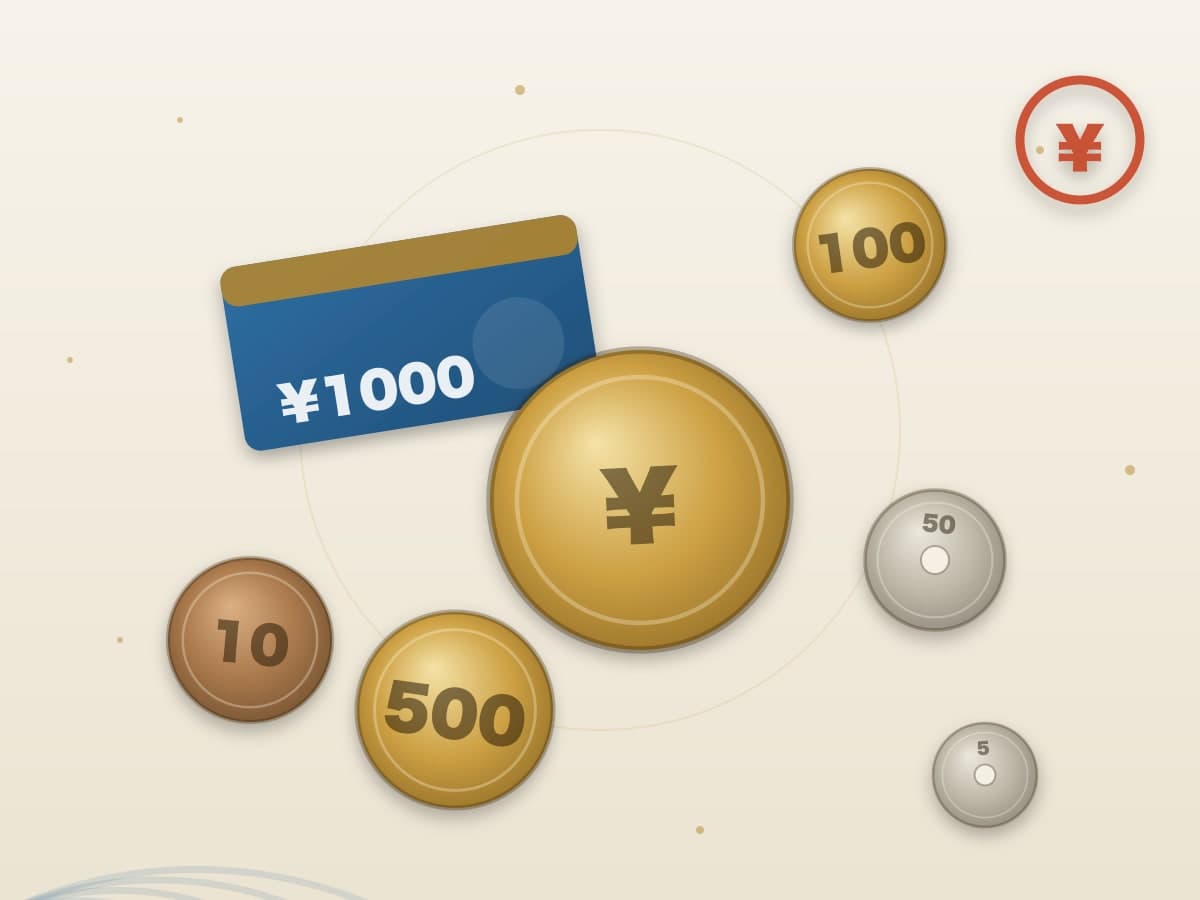
"Japan is cashless everywhere now" — and sure, at the konbini, the chain stores and on public transit, IC cards and tap-to-pay mostly run fine. But the deeper you go toward the places you actually came to see, the more that flips on its head. Comiket circle tables, used-doujin shops, the gachapon islands, retro arcades: the spots with the highest otaku density in the country are still cash-only worlds where you need coins. The broad trend across society and the local reality on the ground are two different things.
And this cash-only situation isn't fading — in some corners it's actually digging in harder. The driver is pressure from overseas card brands on adult and doujin content. Doujin mail-order giant Melonbooks stopped accepting Visa and Mastercard on 19 December 2024 (AmEx, JCB, cash on delivery and konbini payment all continue). The more a shop leans doujin or adult, the harder it gets pushed off cards and back toward cash, JCB and convenience-store payment — straight off the payment rails most foreign travellers rely on.
Comiket is the symbol of all this. Roughly 5% of circle tables take cards at all — and even then often with strings attached, like a "minimum of a few thousand yen." The rest are cash only. Veterans recommend carrying 20,000 to 50,000 yen a day, weighted heavily toward 1,000-yen notes and coins. Pulling out a 10,000-yen note at a table is a hassle for both sides and a fast way to drain a circle's change drawer. And when you're in line for a new release that's about to sell out, "sorry, I can't break that" is fatal.
Used shops and event spaces aren't safe ground either. Mandarake takes cards online, but in its physical stores it's a mixed bag, and the small booths in Nakano Broadway are routinely cash only. Super Potato in Akihabara takes cards for big purchases, yet the retro arcade floor runs on 100-yen coins. Gachapon (100-to-500-yen coins), coin lockers, old ticket machines and vending machines, penny-candy-sized purchases — the moments where coins beat banknotes are startlingly common out in the field.
This is where your change-making strategy earns its keep. In Japan, asking a shop to "break this for me" often gets a polite no. Plenty of stores post a "we can't break bills" policy — partly to manage their own register float, partly for security (guarding against counterfeits and trouble). So the practical traveller's move is to buy something and break the bill that way. The surest method: walk into one of the konbini on every block, buy a single cheap snack or drink, hand over a 10,000-yen note and walk out with 1,000-yen notes and coins. They're open 24 hours, flush with change, and nobody bats an eye. The seasoned move is to do a few small konbini runs near the venue the night before a doujin event, building up a stack of 1,000-yen notes plus 100- and 500-yen coins in advance.
When it comes to pulling the cash out in the first place, the ATMs that play nicest with foreign-issued cards are Seven Bank (at Seven-Eleven) and Japan Post Bank. They handle Visa, Mastercard, UnionPay, JCB and Amex broadly, with fees generally in the 110-to-220-yen range (it shifts with the day and the hour). Thanks to a network of over 50,000 convenience stores nationwide, you're never more than a few minutes' walk from an ATM, even mid-shopping. Hunting for one while you're already in line on event morning is the worst possible play, so get your withdrawals done the day before.
There's a knack to how you prepare the cash, too. ATMs tend to dispense 10,000-yen notes, so once you've withdrawn, break them down into 1,000-yen notes at a konbini checkout. Keep a stash of 100- and 500-yen coins on hand for gachapon and the arcades. More coin lockers and gachapon now take IC and QR, but there will always be machines that accept nothing but cash. Go in planning to step the money down one denomination at a time — "card → 1,000-yen notes → coins" — and you won't get stuck on site.
It sounds backwards, but the trick to spending freely and happily in Japan is to carry cash — and plenty of coins. Society at large may be cashless, but the places you actually want to reach are still a cash-first world. Which counters and venues still assume cash, and how much to bring — that's exactly the kind of thing you can ask us about before you fly. We share the know-how; you plan and book the trip yourself. Before you find yourself peering into your wallet in a sold-out line, go in with cash to spare.
We share recommendations and things to know only — we never arrange, sell, or take payment for travel. You book each experience yourself, directly with our partners.(情報提供のみ。手配・販売は行いません。)
Experiences from this story関連の体験
Anime & Manga experiences that bring this story to life.
Affiliate links — we may earn a commission if you book through a partner, at no extra cost to you. We never sell or arrange travel ourselves.(以下はアフィリエイト広告です。提携先で予約された場合に紹介料を受け取ることがあります。手配・販売は行いません。)

Universal Studios Japan — 1-Day E-Ticket

Ghibli Park — O-Sanpo Day Pass
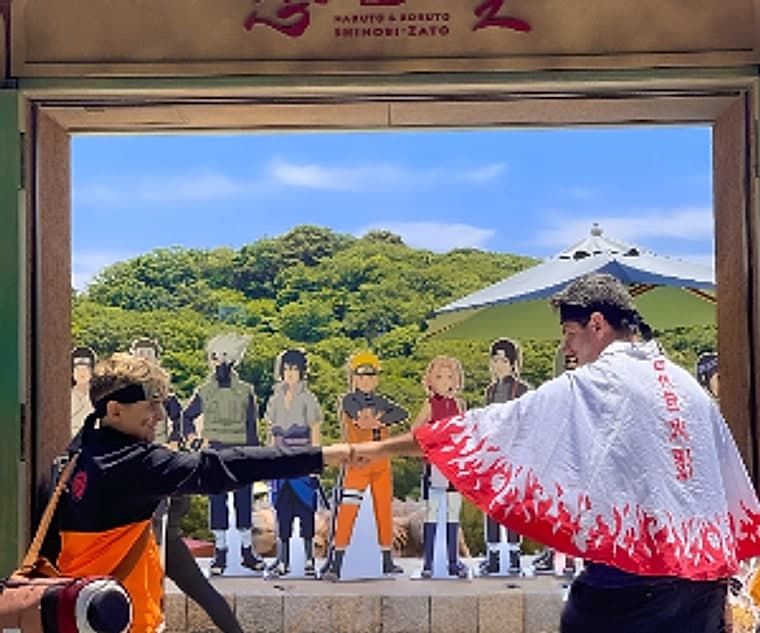
NARUTO & BORUTO Shinobi-Zato — Awaji Island
More field notes他のブログ
Guides, etiquette and route ideas — written by fans who go.
A first-timer's route through Akihabara that actually makes sense
Electric Town can swallow a whole day. Here's the floor-by-floor order locals use so you hit figures, retro games and doujin without backtracking.
By Mika T.
How to watch Grand Sumo like a regular, not a tourist
When to arrive, what the salt means, and why the five seconds before the charge are the best part of the whole day.
By Daichi K.
Live house etiquette: how to enjoy an idol show without the awkwardness
Calls, penlights, the front row and the one rule that matters most. A short guide to Japan's live-house culture for visitors.
By Rena S.
Got a question?
Message us.
Curious about an experience or something you read here? Message us on WhatsApp or Instagram and a real fan replies — in plain language, for free.
We're a fan-built media & affiliate site. We share info and answer questions — we don't arrange, sell, or plan travel, and you book each experience yourself with our partners.(情報提供のみ。旅行の手配・販売・日程作成は行いません。)